
A net-zero ready home is designed with the future in mind.
It may not produce all of its own energy on day one, but it is built so that solar, battery storage, high-efficiency systems, and low energy use can work together when the homeowner is ready. The home is planned to need less energy first, then produce or offset that energy more easily later.
That order matters.
The most important step in a net-zero ready home is not adding solar panels.
It is reducing the amount of energy the home needs in the first place.
For Colorado homeowners planning a custom home in Fort Collins, Loveland, Boulder, Estes Park, Livermore, Red Feather Lakes, or surrounding mountain communities, net-zero readiness should be part of the design conversation from the beginning.
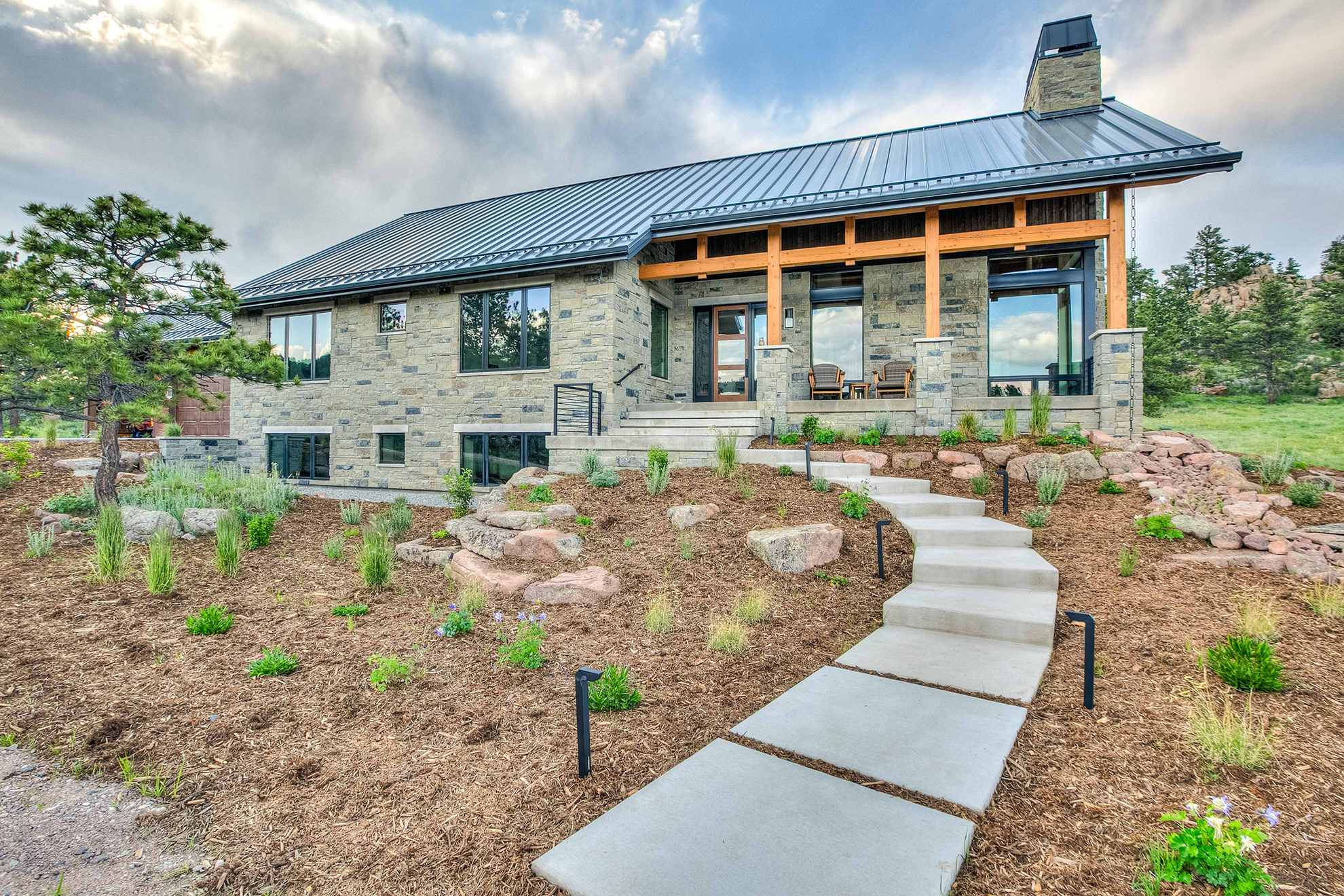
Start With the Building Envelope
A net-zero ready home begins with a high-performance envelope.
That means strong insulation, careful air sealing, quality windows, proper flashing, continuous weather protection, and a ventilation strategy that supports indoor air quality. A better envelope reduces heating and cooling loads, which makes the mechanical system smaller and more efficient.
In Colorado, this is especially important.
Winter temperatures, summer sun, wind, snow, and elevation all affect energy use. A leaky home with oversized windows and poor insulation will need more equipment and more energy to stay comfortable.
A well-designed envelope makes every other system work better.
Think About Orientation Early
Solar orientation is a design decision.
A home that is placed well on the site can take advantage of winter sun, reduce summer overheating, improve daylight, and make future solar installation easier. A home that ignores orientation may still function, but it will often need more mechanical help.
South-facing roof area can be valuable for solar panels. South-facing windows can provide winter heat gain when properly shaded. West-facing glass may need more caution because of afternoon heat and glare.
Orientation also affects outdoor living.
The best net-zero ready homes are not only efficient. They are comfortable, livable, and connected to the site.

Choose Efficient Mechanical Systems
Heating, cooling, water heating, and ventilation all matter.
Many net-zero ready homes use heat pumps for space heating and cooling. Heat pump water heaters may also be considered. An ERV or HRV can provide fresh air while helping manage energy loss. Induction cooking may support an all-electric or mostly electric home strategy.
The right system depends on the site, climate, utility access, homeowner preferences, and backup power goals.
In Colorado mountain homes, backup heat may still be part of the conversation. That does not mean the home is not efficient. It means resilience and comfort are being considered honestly.
Plan for Solar Even If You Do Not Install It Immediately
Net-zero ready means making future solar easier.
That may include roof orientation, roof structure, conduit pathways, electrical panel capacity, inverter location, and space for batteries or future equipment. It may also mean avoiding roof forms that make solar installation difficult or inefficient.
Planning ahead is much easier during construction than after the home is finished.
Even if solar is part of phase two, the home can be built with solar in mind from day one.
Consider Battery Storage and Backup Power
Colorado homeowners are increasingly thinking about resilience.
Mountain properties may face outages from storms, wind, wildfire conditions, or utility disruptions. A net-zero ready home can be designed to pair with battery storage, generator backup, or a hybrid system.
The key is to decide what needs to run during an outage.
Heating? Refrigeration? Well pump? Internet? Lighting? Medical equipment? Garage doors? A whole-home backup system is different from a critical-load backup system.
A high-performance home usually makes backup planning easier because it needs less energy to remain comfortable.
Watch the Plug Loads
Even efficient homes can use a lot of energy through appliances, electronics, lighting, hot tubs, pumps, heated driveways, workshops, and other loads.
Net-zero planning should include the way the home will actually be used.
A large mountain home with a spa, exterior snowmelt, outdoor kitchen, and extensive lighting will have different energy needs than a compact high-performance cabin. Neither is wrong, but the design should be honest.
Energy modeling can help identify where the biggest loads are likely to come from.
Materials and Durability Still Matter
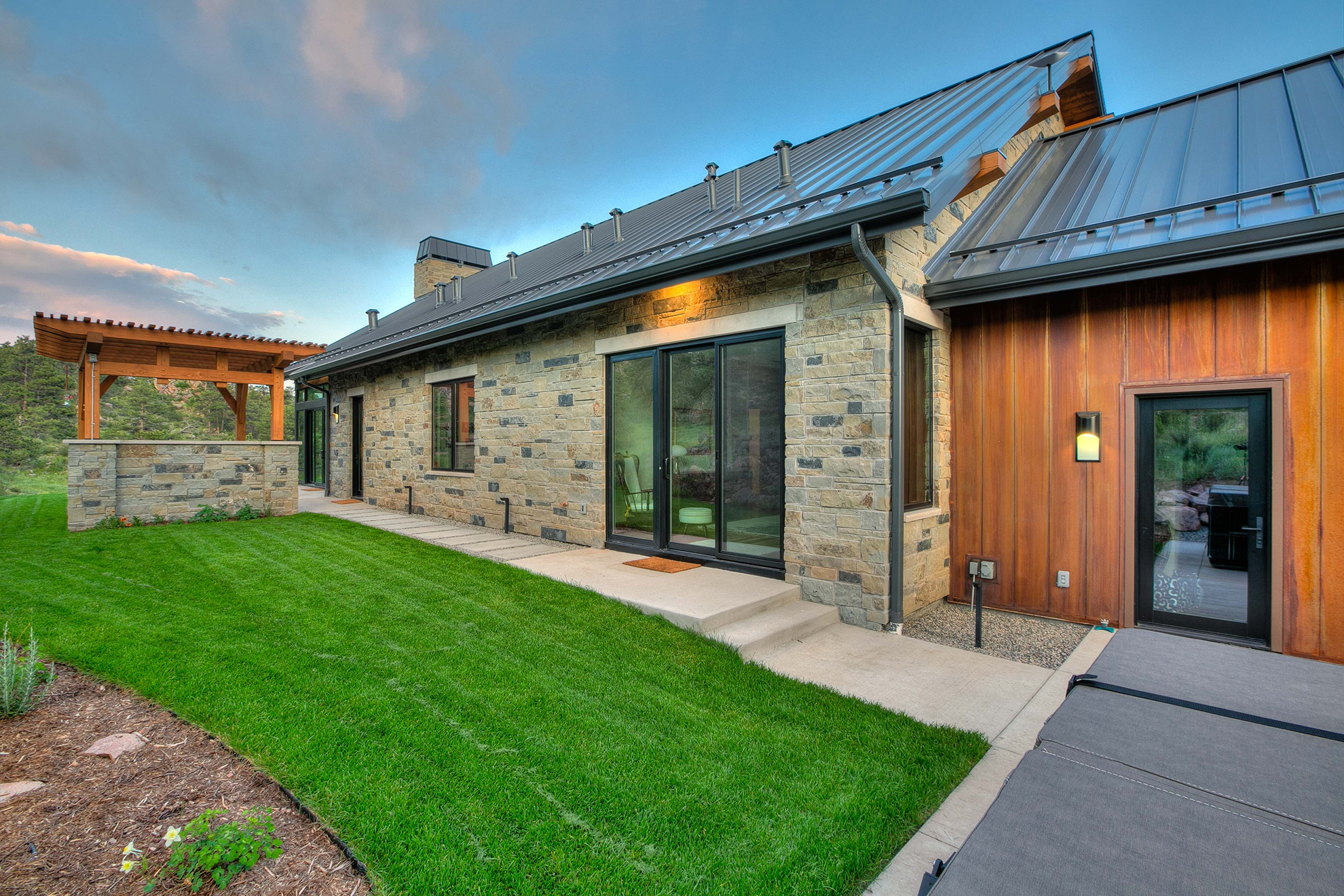
Net-zero is often discussed in terms of energy, but a sustainable home is also durable.
A home that performs well but requires major repairs too soon is not truly sustainable. Material selection, moisture management, wildfire-aware detailing, low-maintenance exterior systems, and healthy interior finishes all contribute to long-term value.
Net-zero readiness should not be treated as a mechanical package.
It is a whole-home design approach.
Conclusion: Reduce First, Produce Second
A net-zero ready home is not built by adding technology to an inefficient design.
It is built by reducing energy demand, improving comfort, planning systems carefully, and preparing the home for renewable energy. In Colorado, that means thinking about site, sun, snow, wind, envelope, equipment, backup power, and long-term durability.
At Elevated Design Build, we help homeowners design and build efficient, sustainable, high-performance custom homes throughout Northern Colorado and the surrounding mountain communities. If you are planning a net-zero ready home in Fort Collins, Loveland, Boulder, Estes Park, Livermore, Red Feather Lakes, or nearby areas, we can help you plan before construction starts.
